Introduction
The Rice Purity Test has exploded in popularity, becoming a social trend shared in dorm rooms, group chats, and even on TikTok livestreams. For some, it’s a nostalgic throwback to their college days; for others, it’s a fun and sometimes awkward way to compare life experiences with friends. It often pops up in conversations on Reddit, Discord servers, and campus hangouts, sparking debates about “what’s pure” and what isn’t.
If you’ve ever stumbled upon terms like rice purity score, purity test, or even the slangy “test rice,” you’ve already brushed against this quirky internet tradition. In this guide, we’ll unpack exactly what the Rice Purity Test is, how it works, and why people still take it decades after it was created.
Related: HelioCharge Pro First Drive Does Solar Integration Change the EV Game

What Is the Rice Purity Test?
The Rice Purity Test is a 100-question online quiz that rates your “purity” level based on the number of listed life experiences you’ve had. It’s a self-scored survey — no login, no judging panel, and no prize at the end — just a final number between 0 and 100 that represents where you stand on the “innocence” scale.
Originally, this wasn’t an internet gimmick at all. It was first developed in the 1980s by students at Rice University in Houston, Texas. Back then, it served as a playful bonding activity for incoming freshmen, helping break the ice by encouraging candid conversations about personal experiences (often over late-night pizza or in campus lounges).
See Also: LG Launches Revolutionary OLED Bendable Monitor: A Game-Changer for Gamers (LG UltraGear 45GX990A)
The test covers a wide range of topics, including:
- Relationships and romantic encounters – from holding hands to more intimate milestones.
- Social activities – parties, dating, and group events.
- Substance use – alcohol, cigarettes, and recreational drugs.
- Rebellious or risky behaviors – law-breaking, dares, or questionable decisions.
You answer each question with a simple “Yes” if you’ve done it, or “No” if you haven’t. At the end, your score reflects how many you answered “No” to — the more untouched boxes, the higher your rice purity score.
The beauty of the test lies in its simplicity: it doesn’t preach, it doesn’t shame, and it doesn’t take itself too seriously. Whether you score a 97 or a 12, the Rice Purity Test is meant to be lighthearted fun, not a deep moral evaluation.

How Does the Rice Purity Score Work?
One thing that surprises first-timers is that the rice purity score works backward from what you might assume. Instead of rewarding more “life experience” with a higher number, the scoring system is designed so that:
- Higher score (closer to 100) → Indicates greater “purity,” meaning you’ve experienced fewer of the activities listed on the purity test.
- Lower score (closer to 0) → Suggests you’ve checked off more activities, implying a more adventurous, worldly, or less “innocent” past — at least by the test’s playful definition.
Here’s how scores typically break down:
- 100–85: Very pure — you’ve had minimal life experiences from the list. Common for younger teens or those new to dating and social life.
- 84–70: Relatively innocent, with some social and romantic experiences.
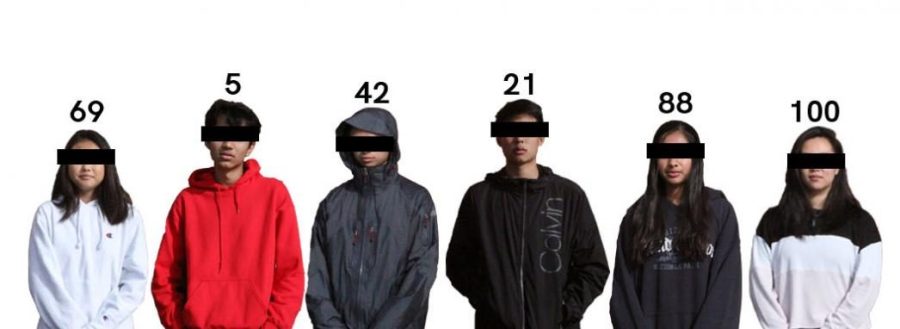
- 69–40: Moderately experienced — this is the range where many college students land.
- 39–0: Highly experienced — you’ve marked “yes” on most of the test’s questions, possibly including riskier behaviors.
It’s important to remember that the Rice Purity Test is not about judgment or ranking people. Two friends can have wildly different scores and still be equally happy, healthy, and successful.
Also Read: ASUS ROG Phone 8 Review: A Gamer’s Dream Smartphone
How to Take the Rice Purity Test
Getting your rice purity score is quick and easy:
- Search online for “the Rice Purity Test” — many free quiz websites host the official 100-question format.
- Answer honestly — the test works on an honor system. Mark “Yes” for experiences you’ve had, “No” for those you haven’t.
- Submit your answers to instantly see your score out of 100.
Some people take the purity test alone for personal curiosity; others do it with friends to compare scores and share laughs. Either way, there are no right or wrong answers — the point is lighthearted self-reflection, not passing or failing.
Why People Take the Rice Purity Test
What started as a quirky college icebreaker at Rice University has evolved into a worldwide online trend. Today, millions have taken the Rice Purity Test, often for very different reasons:
- Fun with friends – Whether you’re in a dorm room, a group chat, or a Friday night video call, comparing rice purity scores can spark hilarious conversations.
- Self-reflection – Many people retake the quiz over the years to see how their score changes as they gain new life experiences.
- Social media challenges – Platforms like TikTok, YouTube, and Reddit have turned the test into a viral content format, with creators revealing their scores and reacting on camera.
- Curiosity – Some just want to know where they fall on the “purity” scale out of sheer interest.
Is the Rice Purity Test Accurate?
Short answer: No, it’s not scientific — and that’s the point. The rice purity score is simply a number based on how many items you’ve checked off from the 100-question list.
It doesn’t measure:
- Your values or moral character
- Your overall happiness or life success
- Your intelligence or social skills
Two people can have scores on opposite ends of the spectrum and still lead equally happy, fulfilling, and respectable lives. The purity test is just a playful benchmark, not a serious psychological evaluation.
The Rice Purity Test in 2025
The original 100-question quiz is still the most well-known version, but the internet has given rise to several purity test variations, including:
- Shorter versions – 50 or even 20 questions for a quick laugh.
- The Dark Purity Test – A more extreme, adults-only set of questions.
- The Innocence Test – A softer, romance-and-friendship-focused version.
- Custom group versions – Tailored for specific communities, like gamers or fandom groups.
No matter which variation you try, the core idea stays the same: it’s a lighthearted, curiosity-driven way to explore your experiences and compare them with others.
Things to Keep in Mind When Taking the Rice Purity Test
Before you jump in and start checking boxes, it’s worth remembering a few important points about the Rice Purity Test:
- It’s just for fun – Your rice purity score is not a moral report card. Don’t let a high or low score define you or change how you see yourself.
- Protect your privacy – Only take the purity test on trusted, reputable websites. Avoid sites that require unnecessary personal information.
- Cultural context matters – Some questions are based on American college culture and might not be relevant to your life or values. Skip or answer in a way that makes sense for you.
- No comparison pressure – While comparing scores with friends can be fun, remember that everyone’s experiences are unique.
Frequently Asked Questions About the Rice Purity Test
1. Is the Rice Purity Test real?
Yes. The Rice Purity Test originated at Rice University in the 1980s as a voluntary self-assessment for students. Over time, it moved online and became a popular quiz worldwide. While the questions are real, the test is meant for fun and isn’t an official psychological assessment.
2. What is a good rice purity score?
There’s no “good” or “bad” rice purity score — it depends on personal perspective. A higher score (closer to 100) indicates fewer experiences, while a lower score means you’ve checked off more items from the list. Many people treat it as a fun way to see how their score changes over time.
3. How long does the Rice Purity Test take?
Most people finish the rice purity test in 5–10 minutes. It’s 100 yes-or-no questions, and you get your score instantly after submitting your answers.
4. Can the Rice Purity Test be taken anonymously?
Yes. Most websites offering the purity test allow you to take it without entering personal information. Always make sure you’re on a safe, reputable site before starting.
5. Is the Rice Purity Test age-appropriate?
The rice purity test contains questions about adult topics, so it’s generally recommended for older teens and adults. Parents may want to review the test before younger users take it.
6. Can I retake the Rice Purity Test?
Absolutely. Many people retake it after a year or two to see how their rice purity score changes with new experiences.
Final Word
The Rice Purity Test is a quirky tradition that’s grown far beyond its college roots, becoming a global online trend. Whether your rice purity score lands high, low, or somewhere in between, remember: it’s just a lighthearted checklist of life experiences — not a judgment of your character, worth, or future.
Take it for what it is: a bit of harmless fun. Share it with friends, swap stories, and enjoy the laughs that come with comparing answers. In the end, your score is just a number — your life is what truly defines you.