Inverter Freezer – Freezers are essential home appliances, especially in Nigeria, where constant power supply can be a challenge. With the rising need for energy-efficient appliances, inverter freezers have become increasingly popular. But what exactly is an inverter freezer, and how does it differ from traditional models? This article explains everything you need to know, including pros, cons, energy usage, and prices in Nigeria.
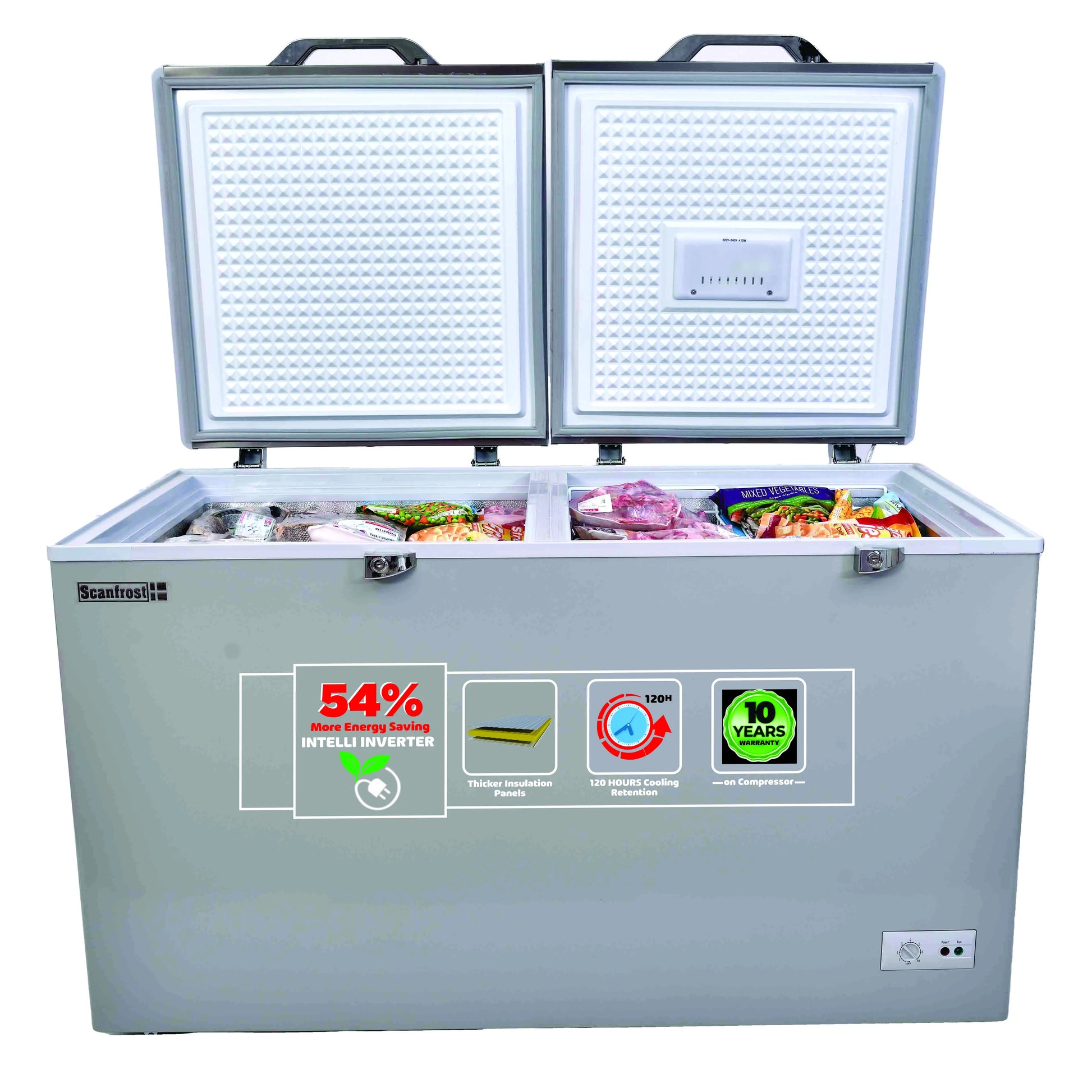
What Is an Inverter Freezer?
An inverter freezer is a type of freezer that uses inverter technology to regulate its compressor speed. Unlike traditional freezers, where the compressor switches on and off at full speed, an inverter freezer adjusts the speed of the compressor depending on the cooling demand.
This means the freezer can run continuously at a lower speed, maintaining a stable temperature, improving energy efficiency, and reducing noise.
See Also: Price of Nylon Cutting and Sealing Machines in Nigeria
Inverter vs Non-Inverter Freezers: Key Differences
| Feature | Inverter Freezer | Non-Inverter Freezer |
| Compressor Operation | Variable speed | Fixed on/off cycles |
| Energy Efficiency | More energy efficient | Less efficient |
| Noise Level | Quieter | Louder during startup |
| Temperature Stability | Maintains consistent temperature | Fluctuates more |
| Durability | Longer compressor life | Compressor wears out faster |
| Initial Cost | Higher | Lower |
Advantages of Inverter Freezers
- Energy Efficiency: Inverter freezers consume less power because the compressor runs at low speed most of the time. Over time, this leads to significant electricity savings.
- Silent Operation: They operate more quietly than conventional freezers, making them ideal for small apartments and open kitchen spaces.
- Extended Compressor Life: The gradual operation puts less stress on the compressor, resulting in longer lifespan and fewer repairs.
- Stable Temperature: Perfect for storing sensitive items like breast milk, fresh produce, and frozen meats, thanks to consistent cooling.
- Eco-Friendly: Reduced energy consumption helps lower carbon footprints, making inverter freezers a more environmentally responsible choice.
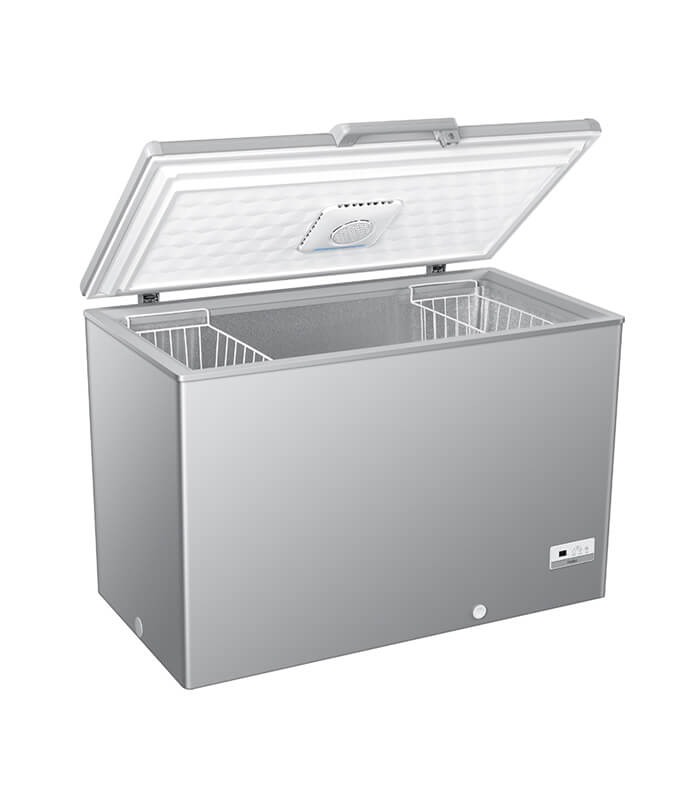
Disadvantages of Inverter Freezers
- Higher Purchase Price: Inverter freezers typically cost more upfront than their non-inverter counterparts.
- Repair Complexity: When repairs are needed, they may require a specialist technician due to their advanced electronics.
- Sensitive to Power Quality: In regions with unstable voltage, they may require a voltage stabilizer to prevent damage.
Also Read: Costs of Wiring Bungalows in Nigeria 2025: Your Essential Price Guide for Electrical Installations
How to Identify an Inverter Freezer
Identifying an inverter freezer is important, especially when shopping in a market where sellers may not always clarify product features. Here’s how to tell if a freezer uses inverter technology:
1. Check the Product Label or Description
Most inverter freezers will have “Inverter” clearly stated on the label, user manual, or product box. Look for terms like:
- Inverter Compressor
- Digital Inverter
- Smart Inverter
2. Ask the Seller Directly
When shopping in-store or online, ask the seller or check the product specs to confirm if it uses inverter technology. Reputable brands usually highlight this as a selling point.
3. Look for Consistent Cooling Specs
Inverter freezers often promote:
- Smart Cooling
- Energy Efficient
- Low Noise Operation
- Variable Speed Compressor
These are indicators of inverter technology.
4. Observe the Operation (If Plugged In)
If the freezer is running:
- Inverter models run more quietly and steadily
- Non-inverter types tend to make louder startup sounds and cycle on and off
5. Brand and Model Research
Brands like LG, Hisense, Haier Thermocool, Scanfrost, and Midea often list inverter models on their websites. A quick Google search of the model number will also confirm.
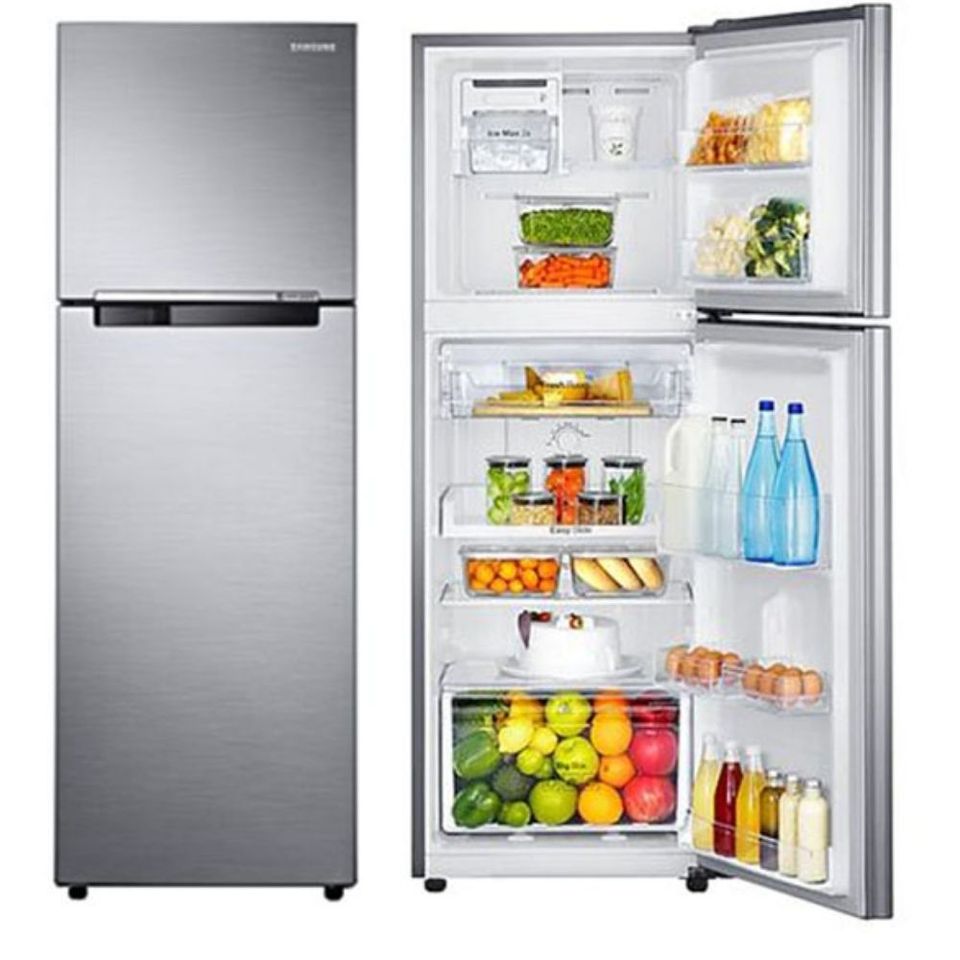
How to Defrost an Inverter Freezer
Even though inverter freezers regulate temperature better, they still need occasional defrosting, especially if they are manual defrost models (not frost-free).
Here’s how to defrost an inverter freezer safely:
Step-by-Step Guide:
- Turn Off and Unplug the Freezer: Always switch off the appliance before defrosting to avoid electrical hazards.
- Remove All Items Inside: Transfer food items to another freezer or cooler box to keep them cold.
- Leave the Door Open: Allow ice to melt naturally. For quicker defrosting, you can place a bowl of hot water inside and close the door for 15–30 minutes.
- Avoid Sharp Objects: Never use knives or sharp tools to chip off ice — it can damage the freezer walls or cooling system.
- Clean Up Melted Water: Use a dry towel or sponge to mop up water and ice as it melts.
- Clean the Interior: Wipe the inside with a mixture of warm water and mild baking soda. This removes odor and keeps the freezer fresh.
- Dry Thoroughly & Turn It Back On: Once everything is dry, plug the freezer back in and let it cool for at least 30 minutes before returning your food.
Pro Tip:
If your inverter freezer is frost-free, you don’t need to defrost it manually. It automatically prevents ice buildup using air circulation and timed heating cycles.
Do Inverter Freezers Consume More Electricity?
No, inverter freezers are specifically designed to consume less electricity compared to traditional freezers. While their compressors run continuously, they do so at lower speeds, which uses less power than frequent, high-powered cycling found in non-inverter freezers.
In fact, many inverter freezer models consume up to 30–50% less energy, depending on usage and brand.
Inverter Freezer Prices in Nigeria (2025)
Prices vary depending on the brand, capacity, and features. Here’s a general price range:
| Capacity | Estimated Price Range |
| 100–150L | ₦180,000 – ₦250,000 |
| 200–300L | ₦250,000 – ₦350,000 |
| 400–500L | ₦350,000 – ₦500,000+ |
Top Brands Available in Nigeria:
- Haier Thermocool
- Hisense
- LG
- Midea
- Scanfrost
- Bruhm
You can find inverter freezers at major electronics retailers like Jumia, Konga, Slot, Fouani, and local appliance dealers across Nigeria.
Conclusion: Should You Buy an Inverter Freezer?
If you’re looking for a long-term energy-efficient freezer that offers quiet operation, better cooling performance, and durability, then an inverter freezer is worth the investment.
Though the initial cost may be higher, the savings on electricity bills and reduced maintenance costs make it a smart choice, especially in Nigerian households where electricity is often unstable and expensive.