“Is your baby’s fever just teething or a deadly sepsis warning? Learn the critical differences, life-saving symptoms every parent must recognize, and when to rush to the ER. Don’t miss the signs that doctors say parents often overlook.”
Introduction
Sepsis in Babies and Children: What Every Parent Must Know
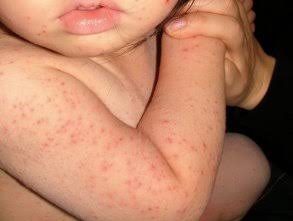
Sepsis is a life-threatening medical emergency that often strikes without warning. Though anyone can be affected, babies and young children are particularly vulnerable and the disease progresses faster and more aggressively in them than in adults. Every second counts. Sepsis can be triggered by common infections like the flu, RSV, pneumonia, or even a mild skin or urinary tract infection. What begins as a simple illness can suddenly escalate, as the body’s immune system spirals out of control, attacking its own tissues and organs.
Related: Family Building: Cost of Doing IVF in Nigeria in 2025
The consequences? Shock, multiple organ failure, and death all within hours if not detected and treated early.
For parents, this reality is terrifying, but knowledge is power. Recognizing the warning signs of sepsis early and acting fast can save your child’s life. Whether you’re at home with a sick baby or rushing to a clinic unsure of what’s wrong, knowing what to look for and how to respond is crucial.
This guide will walk you through:
- What sepsis is and how it starts
- The early symptoms in babies and young children
- Who is most at risk
- How mothers confuse sepsis for teething
- Prevention tips every parent should follow
- When to seek urgent medical help
- What to expect during diagnosis and treatment
Let’s equip you with the life-saving knowledge you need—because when it comes to sepsis, every moment matters.
What is Sepsis?
Sepsis is the body’s extreme response to an infection, causing widespread inflammation, blood clotting, and organ damage. When not treated promptly, it progresses to septic shock, where blood pressure drops dangerously low, cutting off oxygen to vital organs.
Why Are Babies and Kids at Higher Risk of Sepsis?
- Immune systems are still developing, making it harder to fight infections.
- Symptoms escalate rapidly —sometimes within hours.
- Newborns (0-3 months) are most vulnerable, especially premature babies.
How Mothers Mistake Sepsis for Teething – A Dangerous Misconception
One of the most tragic mistakes parents make is dismissing early sepsis symptoms as “just teething.” Because teething can cause mild fever, fussiness, and poor sleep, many mothers assume their baby is simply cutting a tooth—when in reality, they could be fighting a life-threatening infection.
Why the Confusion Happens
- Low-grade fever (Teething may cause a slight temp rise, but anything above 100.4°F/38°C is NOT normal).
- Fussiness & poor sleep (Common in teething, but extreme lethargy is a sepsis red flag).
- Drooling/chewing hands (Normal teething behavior, but not a sign of infection).
Critical Differences Between Teething & Sepsis
| Symptom | Teething | Sepsis |
|---|---|---|
| Fever | Mild (below 100.4°F/38°C) | High (or very low temp in newborns) |
| Activity Level | Irritable but alert | Weak, limp, hard to wake |
| Breathing | Normal | Fast, grunting, or labored |
| Skin Color | Normal (maybe flushed cheeks) | Pale, blotchy, or blue-tinged |
| Feeding | May eat less but still takes some milk | Refuses all feeds |
Real-Life Warning: A Mother’s Story
“My 8-month-old had a slight fever and was cranky. I thought it was teething until she became too weak to cry. At the hospital, doctors said she had septic shock from a UTI. We almost lost her.” – Sarah, Mother of 2.
What Should You Do?
- Never assume fever = teething if your baby is sleepier than usual or breathing fast.
- Use the “SEPSIS vs. TEETHING” checklist above to compare symptoms.
- If in doubt, see a doctor immediately, better safe than sorry.
What you should know:
- Teething does NOT cause high fever, lethargy, or rapid breathing—sepsis does.
- Always check for wet diapers. No urine in 8+ hours = medical emergency.
- Sepsis kills within hours—never “wait and see” if symptoms are severe.
Common Causes of Sepsis in Children
Sepsis doesn’t start on its own—it begins with an infection, such as:
- Pneumonia (lung infection)
- Meningitis (brain/spine infection)
- Urinary Tract Infections (UTIs)
- Severe flu or RSV
- Skin infections (cellulitis, untreated wounds)
- Bloodstream infections (bacteremia)
Early Symptoms of Sepsis in Babies & Children
Critical Red Flags (Go to ER Immediately)
- High fever OR abnormally low temperature
- Fast breathing (grunting, panting)
- Lethargy (hard to wake, floppy, unresponsive)
- No wet diapers for 12+ hours (dehydration = danger sign)
- Mottled/bluish skin, cold hands & feet
- Unusual cry (weak, high-pitched, or constant moaning)
Symptoms of Sepsis in Newborns (0-3 Months)
- Poor feeding (refusing breast/bottle)
- Jaundice (yellow skin/eyes) worsening
- Pauses in breathing (apnea)
How to Prevent Sepsis
1. Vaccinate On Time
- Hib
- Pneumococcal
- Meningococcal
- DTaP
- Flu (6+ months)
- RSV (if available)
2. Practice Strict Hygiene
- Wash hands before handling baby.
- Sterilize bottles/pacifiers daily.
- Keep wounds clean and covered.
3. Treat Infections Early
- Never ignore persistent fever, cough, or rashes.
- If prescribed antibiotics, complete the full course.
4. Breastfeed (If Possible)
- Breast milk strengthens immunity against infections.
What to Do If You Suspect Sepsis
ACT FAST – Sepsis is a race against time!
- Call emergency services or rush to the nearest hospital.
- Say: “I suspect sepsis” to prioritize treatment.
- Do NOT wait—every hour increases the risk of death.
Treatment for Sepsis
- IV antibiotics (started within 1 hour in severe cases).
- Oxygen and fluids to stabilize blood pressure.
- ICU care for organ support (ventilators, dialysis if needed).
Key Takeaways for Parents
- Know the signs—lethargy, fast breathing, and fever are major red flags.
- Prevent infections through vaccines, hygiene, and breastfeeding.
- Trust your gut—if your child seems “off,” seek help immediately.
- Sepsis is a medical emergency—delayed treatment can be fatal.
Final Thoughts
Sepsis remains one of the most dangerous and misunderstood medical emergencies, especially in babies and young children. Its ability to progress rapidly from mild symptoms to life-threatening complications makes it a silent killer—but it doesn’t have to be. With the right awareness, vigilance, and prompt action, sepsis is treatable and lives can be saved.
As a parent or caregiver, your instincts and knowledge are your greatest tools. Never ignore unusual symptoms or a gut feeling that something isn’t right. Trust yourself, seek medical attention immediately, and don’t be afraid to ask, “Could this be sepsis?”
Every child’s life matters. Please share this guide with other parents, caregivers, teachers, and healthcare workers. The more people understand the signs of sepsis, the faster children can receive life-saving care.
Because when it comes to sepsis, early recognition isn’t just helpful—it’s everything.