Nigeria’s fast-growing economy and increasing emphasis on hygiene present a compelling opportunity for entrepreneurs in the liquid soap manufacturing sector. This report provides a comprehensive guide for establishing and scaling a liquid soap business in Nigeria, focusing on market dynamics, operational strategies, financial viability, and risk mitigation to achieve substantial profitability by 2025.
Market Overview
The demand for soap in Nigeria is projected to reach 1.27 million kilograms by 2026, demonstrating an average annual increase of 3.5% from 2021 levels. Since 2001, demand has surged by an impressive 15.9% annually. This robust growth underscores a fundamental truth: as long as human existence continues, the need for soap will remain constant, ensuring a perpetual and expanding market.
Liquid soap, in particular, is rapidly gaining traction in Nigeria, progressively replacing traditional detergents for both laundry and dishwashing. This shift is attributed to its inherent advantages, including versatility and perceived efficacy, making it a preferred choice for many Nigerian households. The market is far from saturated, with ample room for new entrants, even amidst the proliferation of small-scale backyard factories. This constant demand positions liquid soap production as a resilient business venture, less susceptible to economic fluctuations, and offering a continuous revenue stream from diverse consumer segments, including households, businesses, and organizations.
Key Market Indicators and Growth Projections (2025-2030)
The broader soap and cleaning compounds market is experiencing strong global growth, projected to expand from $211.87 billion in 2024 to $232.74 billion in 2025 at a Compound Annual Growth Rate (CAGR) of 9.8%. This growth trajectory is expected to continue, reaching $322.93 billion by 2029 with an 8.5% CAGR. Specifically within Nigeria, the bath products market, which includes liquid soap, is forecast to grow swiftly, with a projected increase of $383.0 million and a CAGR close to 15.7%. The liquid soap market size globally was valued at $23.24 billion in 2024 and is expected to reach approximately $37.37 billion by 2032, growing at a CAGR of 6.12% from 2025.
Consumer Preferences and Market Segmentation
Nigerian consumers exhibit diverse preferences for liquid soap, creating various market segments. Liquid soap can be broadly categorized into hand soap, body wash, dishwashing liquid, and industrial-grade cleaners, each serving distinct functions and targeting specific demographics. For instance, popular dishwashing liquid brands like Morning Fresh, Sunlight, and Mama Lemon are typically packaged in plastic bottles ranging from 400ml to 1 liter. Consumers consider factors such as price, lathering ability, fragrance, and tamper-proof packaging when making purchasing decisions. A notable preference exists for transparent packaging due to concerns about product adulteration.
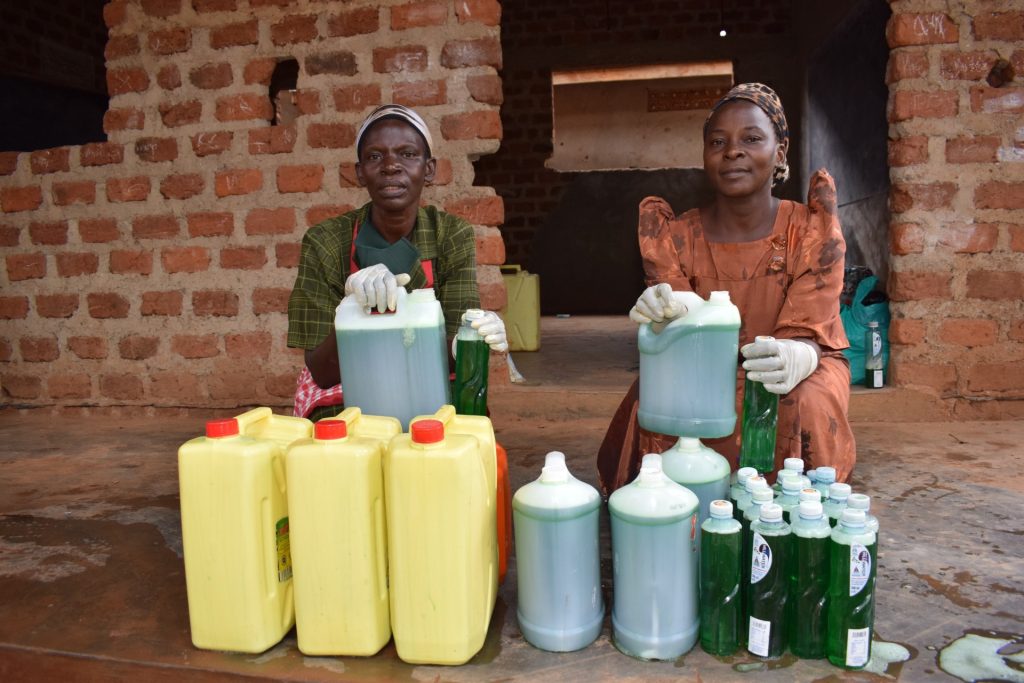
The increasing popularity of organic and natural liquid soaps reflects a growing consumer trend towards sustainability and health-conscious choices. This presents an opportunity for manufacturers to innovate and introduce new product lines aligning with these values. Research indicates that advertising strategies, promotional activities (such as discounts and buy-one-get-one-free offers), and competitive pricing significantly influence consumer purchasing behavior. Young adults, particularly females aged 25-34, are identified as a demographic highly engaged with contemporary marketing practices.
Understanding these preferences and segmenting the market by product type, price range (mass, premium), gender, package type, and distribution channel allows for more efficient and effective marketing spend. By tailoring products and campaigns to specific segments—for example, developing eco-friendly options for health-conscious consumers or offering bulk supplies for institutions—businesses can maximize their return on marketing investment. This precision targeting ensures that resources are allocated to reach the most receptive audiences, directly contributing to higher sales volumes and overall profitability.
Competitive Landscape
The Nigerian liquid soap market, while not saturated, features a mix of established international brands and numerous small-scale local manufacturers. Major players in the broader bath products market include PZ Cussons Plc (Morning Fresh), Unilever PLC (Sunlight), and Reckitt Benckiser Group plc (Dettol). Other popular local brands include Mama Lemon, Cleanmax Sparkle, GBC Lemon Fresh, and Lb All Purpose Liquid Wash. Despite the presence of these established brands and a vast majority of small-scale backyard factories, the market is continually expanding, driven by an unending demand for washing agents. This dynamic environment suggests that new entrants can carve out a niche by focusing on quality, differentiation, and strategic market positioning.
Legal and Regulatory Framework
Establishing a legitimate liquid soap business in Nigeria necessitates adherence to a clear legal and regulatory framework. Compliance is not merely a formality but a critical foundation for building trust, accessing formal markets, and ensuring long-term operational stability.
Business Registration with Corporate Affairs Commission (CAC)
The first fundamental step is to register the business with the Corporate Affairs Commission (CAC) (Recommended but not required to get started), Nigeria’s statutory body for business registration and regulation. This registration confers legality, protects the business name, and facilitates access to funding, government incentives, and partnerships. Entrepreneurs can choose to register a business name or a limited liability company, with the latter typically incurring higher fees. The process requires a valid means of identification (e.g., NIN, International Passport), a scanned signature, and a passport photograph, along with basic biodata. Aqila.ng has written an expert guidance to simplify the CAC registration process.
NAFDAC Approval for Product Safety and Quality
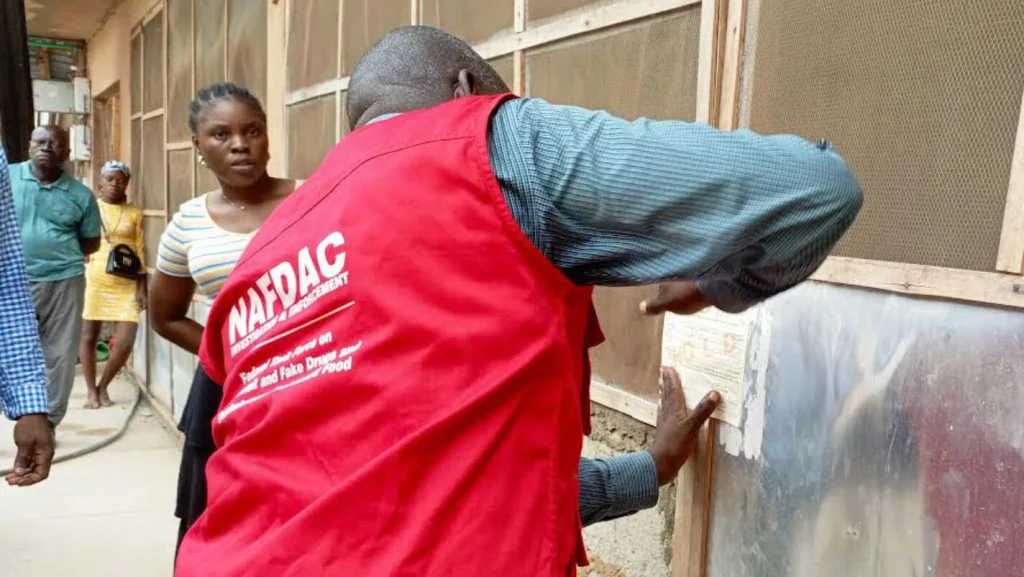
For any product intended for commercial sale in Nigeria, particularly those in the cosmetic and chemical categories like liquid soap, obtaining approval from the National Agency for Food and Drug Administration and Control (NAFDAC) is paramount. NAFDAC approval certifies that a product meets prescribed health and safety standards, having undergone rigorous laboratory analysis, inspection, and documentation. This certification is crucial for consumer trust, market credibility, and access to formal retail channels such as supermarkets and e-commerce platforms.
Operating without NAFDAC approval carries severe legal and financial consequences, including product seizure and destruction, criminal prosecution, business closure, and significant reputational damage. The agency does not compensate for seized goods, even in cases of unintentional non-compliance. The registration process involves document preparation, application submission (online or offline), facility inspection, and product testing. While timelines can vary, food products generally take around 90 working days for registration. Small businesses and home-based manufacturers are not exempt from this requirement.
Read complete guide here on How To Register Your Products With NAFDAC in Nigeria.
Production Process and Quality Control
Essential Raw Materials and Their Functions
The production of liquid soap primarily involves a mix of chemicals, with water forming a significant base. The common ingredients for a 20-liter batch typically include :
- Sulphonic Acid (1 litre): Acts as a foaming agent.
- Caustic Soda (1/3 tin milk cup): Serves as the base for soap production and is highly corrosive.
- Soda Ash (1/2 tin milk cup): Functions as a neutralizer and builder, regulating the concentration of caustic soda.
- Nitrosol (1 tin milk cup): A thickening agent, sometimes interchangeable with Antisol.
- Texapon (5-6 teaspoonful): A primary surfactant responsible for lathering.
- SLS (Sodium Lauryl Sulphate) (6-6 teaspoon): A foam booster.
- STTP (Sodium Tripolyphosphate) (6-6 teaspoon): A strong cleaning agent that enhances the efficacy of SLS.
- Perfume (as desired): Provides fragrance.
- Formalin (5-6 teaspoon, optional): A preservative, used if the soap is to be stored for a long time.
- Colorant (as desired): Imparts color.
- Water (19 litres): The primary solvent, forming about 80% of the product, making it almost costless.
These raw materials can be sourced from local chemical markets, with Ojota Market in Lagos being a prominent location. Suppliers like GMAS Chemicals and others in major cities like Abuja , Port Harcourt , and Kano offer a wide range of industrial and cosmetic chemicals.
Required Equipment for Small-Scale Production
For small-scale liquid soap production, the initial equipment investment can be minimal, often utilizing household items. Essential materials include :
- Measuring cup(s): For precise measurement of ingredients. Prices range from ₦1,200 to ₦21,500 depending on size and material.
- Bowls: For mixing, preferably heat-resistant plastic or stainless steel. Stainless steel mixing bowls can cost around ₦18,000. Plastic mixing bowls can be part of a set costing ₦7,000 to ₦31,250.
- Tablespoons: For smaller measurements.
- Hand gloves: For safety when handling chemicals. Prices for a pack of 100 disposable gloves range from ₦1,899 to ₦15,500. Rubber gloves can cost around ₦7,000.
- Containers: Plastic bottles for packaging the finished product. A 500ml plastic bottle can cost around ₦230.
- Labels: For branding and product information. Labels can range from $2.42 to $10.25 per sheet.
- Stirring rods: For mixing ingredients. Glass stirring rods cost around ₦1,500. Plastic stirring rods are also available.
- Nose mask: Essential for protection against chemical fumes. Prices for chemical respirators can range from ₦1,500 for KN95 masks to ₦21,000 for industrial safety masks and up to ₦291,750 for full face respirators. More advanced respirators can cost around $32.99 to $36.89.
While a small-scale setup can begin with as little as ₦10,000 to ₦50,000 , scaling to industrial production requires significant investment in specialized machinery, such as mixing machines and filling lines, which can cost millions of Naira.
Step-by-Step Liquid Soap Manufacturing Process
The production of liquid soap involves precise mixing of chemical ingredients. A common method for a 20-liter batch is as follows :
- Ferment Caustic Soda: Dissolve 1/3 tin milk cup of caustic soda in 1 liter of water. Allow it to ferment for at least 30 minutes, or preferably overnight, to achieve a glittering effect in the final soap.
- Dissolve Soda Ash: Dissolve 1/2 tin milk cup of soda ash in 1 liter of water. Let it sit for at least 1 hour or overnight for fermentation.
- Prepare Sulphonic Acid: Pour 1 liter of sulphonic acid into a large mixing bowl.
- Dissolve STTP: Dissolve 6-6 teaspoon of STTP in 2 tin milk cups of water and stir.
- Mix Texapon and Sulphonic Acid: Add 5-6 teaspoonful of Texapon to the sulphonic acid in the large bowl. Mix thoroughly until homogenous. This step is exothermic, generating heat.
- Dissolve SLS: Dissolve 6-6 teaspoon of SLS in 1 liter of water to produce a clear solution.
- Prepare Nitrosol: Dissolve 1 tin milk cup of Nitrosol in 10 liters of water in a separate mixing bowl.
- Combine Main Ingredients: Gently pour the dissolved sulphonic acid and Texapon mixture into the bowl containing the dissolved Nitrosol. Stir continuously until the mixture is homogenous.
- Add Caustic Soda and Soda Ash: Add the dissolved caustic soda, followed by the dissolved soda ash, stirring well after each addition.
- Incorporate Remaining Chemicals: Add the dissolved STTP, then the dissolved SLS, continuing to stir thoroughly.
- Add Additives: Incorporate foam booster, formalin (if desired), and any other additives like Vitamin E or Glycerine, stirring continuously.
- Color and Fragrance: Once the lather subsides, add the dissolved colorant and desired perfume, stirring properly to ensure even distribution.
- Adjust Viscosity: Gradually add the remaining 19 liters of water, stirring until the desired thickness is achieved.
Quality Control and Safety Protocols
Maintaining product quality and ensuring safety are paramount for a successful liquid soap business.
Quality Control: Rigorous quality control is essential to ensure consistency, safety, and consumer satisfaction. Key testing procedures include:
- pH Testing: The final soap should have a pH range of 7-10 to be safe for use. An unbalanced recipe can result in soap that is too alkaline and unsafe for skin.
- Consistency and Viscosity: Check for a smooth texture and desired thickness. Thickening can be achieved by adding salt or thickeners like Hydroxypropyl Methylcellulose (HPMC).
- Appearance, Color, and Fragrance: Evaluate to confirm adherence to product standards.
- Batch Documentation: Maintain detailed records of ingredients, production dates, and any adjustments for each batch.
- Defect Inspection: Regularly inspect for defects like uneven curing or discoloration, reprocessing or discarding defective products to maintain high quality.
Safety Protocols: Handling chemicals requires strict safety measures to prevent hazards :
- Personal Protective Equipment (PPE): Always wear eye protection (goggles), rubber gloves, and a nose mask. Clothing should cover the body, including long sleeves and pants.
- Ventilation: Work in a well-ventilated area to avoid inhaling fumes, especially when mixing lye with water.
- Proper Mixing: Always add chemicals slowly to water, never water to chemicals, particularly lye.
- Tool Selection: Use heat-resistant tools made of plastic, glass, or stainless steel. Avoid aluminum, as it reacts with caustic chemicals.
- Chemical Storage: Clearly label chemicals and store them securely, away from children, food, and flammable materials.
- Accurate Measurement: Precision is crucial. Use a digital scale for accurate measurements, as incorrect proportions can affect product safety and quality.
- Recipe Adherence: Follow well-designed, balanced recipes and double-check with a soap calculator to ensure correct ingredient amounts and proper saponification.
- Avoid Superfatting: Unlike bar soap, adding superfat to liquid soap can cause cloudiness and separation.
- Dilution: Dilute soap paste correctly to achieve the desired strength and appearance. Using too much or too little water can result in an ineffective product.
By adhering to these stringent quality control and safety measures, a liquid soap business can consistently produce a safe, effective, and high-quality product, which is fundamental for building consumer trust and achieving sustaine
Financial Planning and Profit Maximization
Achieving substantial profitability in the liquid soap business in Nigeria requires meticulous financial planning, including understanding startup costs, managing operational expenses, and implementing strategic pricing.
Startup Capital Requirements (Small to Large Scale)
The capital required to start a liquid soap business in Nigeria varies significantly with the scale of operation. A small-scale, home-based venture can be initiated with as little as ₦10,000 or ₦20,000 , potentially growing to ₦50,000 to ₦150,000. This low entry barrier makes the business accessible to many aspiring entrepreneurs.
However, to achieve “huge profit,” a planned financial trajectory towards larger investments is crucial for scaling and maximizing output. For a mid-sized local production, estimated costs range from ₦200,000 to ₦500,000, potentially requiring a rented workspace and upgraded equipment. Large-scale manufacturing, aimed at becoming a major supplier, necessitates a full setup with industrial equipment, with startup costs potentially reaching ₦1 million and above. A sample business plan for a larger operation projects total startup costs of ₦30,000,000, including significant investments in production equipment (₦20,000,000) and facility setup/rent (₦5,000,000).
The table below provides an estimated breakdown of startup costs for different scales of liquid soap production, highlighting the financial commitment required to transition from a small, home-based operation to a larger, more profitable enterprise.
Table 1: Estimated Startup Costs for Liquid Soap Production in Nigeria (2025 Estimates)
| Cost Category | Small-Scale (₦) | Mid-Sized (₦) | Large-Scale (₦) | Notes |
|---|---|---|---|---|
| Equipment & Tools | 15,000 – 50,000 | 50,000 – 150,000 | 300,000 – 1,000,000+ | Can start with household items; scales with production volume |
| Raw Materials (initial batch) | 3,500 – 80,000 | 80,000 – 200,000 | 3,000,000+ | Initial small batches are very low cost |
| Packaging & Branding | 5,000 – 15,000 | 30,000 – 80,000 | Varies significantly with custom designs | |
| Business Registration & Licensing | Optional (small) to 10,000 | 20,000 – 50,000 | Included in larger setup costs | CAC registration is essential for formal business |
| Marketing (initial) | 5,000 – 20,000 | 20,000 – 50,000 | 1,500,000+ | Basic social media ads for small scale |
| Operational Space/Rent (initial) | 0 (home-based) | 20,000 – 150,000 (monthly) | 5,000,000 (setup) | Optional for small scale; necessary for large scale |
| Safety Gear | 2,500 – 7,000 | 7,000 – 25,000 | 21,000 – 291,750+ | Essential for handling chemicals |
| Miscellaneous | 5,000 – 10,000 | 50,000 – 100,000 | 500,000+ | Includes shipping, delivery, unforeseen expenses |
Raw Material and Operational Expense Projections
The cost of raw materials can fluctuate, and energy prices are a significant operational challenge in Nigeria, directly impacting profitability. The wide range in raw material prices (e.g., Caustic Soda from ₦33,000-₦35,000 per unit/bag to Nitrosol at ₦12,000 per 1kg ) and the explicit mention of “rising energy cost killing industries” highlights substantial threats to profitability. This necessitates proactive strategies to stabilize operational costs and protect profit margins.
Nigerian manufacturers face high energy costs, with businesses spending heavily on alternative energy sources like diesel generators. A small factory might incur ₦300,000-₦400,000 monthly on diesel, while a larger one could spend ₦16 million monthly. Electricity tariffs surged over 200% for Band A consumers in 2024. This means that financial planning must account for this volatility. Strategies such as bulk purchasing of raw materials to secure better rates and establishing strong supplier relationships for stable pricing are crucial. Furthermore, the high cost of diesel suggests that exploring solar or other energy alternatives, even for small-scale operations, could provide a competitive advantage for long-term cost stability and profitability.
Given these high operational costs, optimizing the production process to maximize output per unit of input (raw materials, energy, labor) becomes critical for profitability. The manual mixing process, while cheap to set up, is laborious, time-consuming, and can result in lower productivity. This directly impacts output and thus revenue. To achieve substantial profits, the entrepreneur must focus on process efficiency. This includes minimizing waste, ensuring efficient use of chemicals, and potentially investing in semi-automated equipment as the business scales to reduce manual labor fatigue and increase consistency and productivity. This direct link between operational excellence and profitability cannot be overstated.
Table: Estimated Raw Material Costs for 20L Liquid Soap Production in Nigeria (2025)
| Ingredient | Quantity (for 20L Batch) | Unit Price Range (₦) | Estimated Cost per 20L Batch (₦) |
|---|---|---|---|
| Sulphonic Acid | 1 litre | 8,000 per litre | 8,000 |
| Caustic Soda | 62.5g (1/3 tin milk cup) | 33,000 – 35,000 per 25kg bag | 200 – 220 |
| Soda Ash | 125g (1/2 tin milk cup) | 450,000 per 50kg bag | 2,250 |
| Nitrosol | 125g (1 tin milk cup) | 2,400 – 35,000 per kg/unit | 300 – 4,375 |
| Texapon | 25–30g (5–6 teaspoons) | 1,000 – 8,000 per 100g–1kg | 25 – 240 |
| SLS (Sodium Lauryl Sulfate) | 30g (6 teaspoons) | 2,000 – 86,000 per 100g–unit | 60 – 2,580 |
| STTP | 30g (6 teaspoons) | 3,000 – 15,000 per kg/unit | 90 – 450 |
| Perfume | 50ml (as desired) | 700 – 35,000 (varies by brand/size) | 2,800 – 5,500 |
| Formalin (optional) | 25–30ml (5–6 teaspoons) | 3,000 – 70,000 per litre/keg | 75 – 210 |
| Colorant | 20g (as desired) | 900 – 23,000 per 20g–500g | 900 – 2,300 |
| Water | 19 litres | Generally free/low cost | Minimal |
| Total Estimated Cost | ₦14,905 – ₦26,025 |
Operational Expenses:
- Labor Costs: For small-scale operations, one or two workers may suffice, with monthly salaries ranging from ₦40,000 to ₦60,000 per worker. A team of 5-10 workers in a small-scale mill could incur monthly labor costs of ₦150,000 to ₦300,000.
- Maintenance & Repairs: Estimated at ₦50,000-₦100,000 per month for a small-scale mill.
- Marketing & Sales: Paid promotions can range from ₦5,000 to ₦50,000 per month.
- Rent: Monthly rent for a workshop or production space ranges from ₦20,000 to ₦150,000, depending on location and size.
Strategic Pricing for Maximum Profit

Pricing strategy must carefully balance affordability with profitability to thrive in the Nigerian market. Market research is essential to establish competitive pricing that aligns with consumer perceptions of value. This involves understanding what competitors charge (e.g., Sunlight at ₦300 for 400ml, Morning Fresh at ₦600 for 450ml ) and how consumers perceive the value of different product features.
Given Nigeria’s high inflation, which is forecast at 22.1% in 2025 , and currency devaluation impacting costs , a static pricing strategy will inevitably erode profits. This implies that pricing must be dynamic, adapting to rising raw material costs and consumer purchasing power. For instance, some companies have successfully introduced smaller, budget-friendly packaging options to cater to price-sensitive consumers. This strategy allows businesses to maintain sales volume even when overall purchasing power is constrained.
Furthermore, offering a range of products at different price points can cater to diverse consumer segments. For example, bulk discounts can be offered to businesses and institutional clients like restaurants, hotels, and schools, which require large quantities. This tiered pricing approach allows the business to capture maximum value across different customer segments, ensuring sustained revenue and profitability despite economic pressures.
Revenue Projections and Profit Margin Analysis
The liquid soap business in Nigeria holds significant profit potential, even at a small scale. One entrepreneur reported making ₦20,000 profit weekly from producing 20-30 containers, starting with an initial capital of just ₦9,000. Another account suggests a profit of ₦1,500 from a ₦3,500 chemical investment for a 25-liter batch, which can then be sold for ₦1,000 per five liters. These examples demonstrate the favorable unit economics and high-margin potential of liquid soap production.
To achieve “huge profit,” however, scaling production volume while rigorously controlling costs is essential. A sample business plan for a larger-scale operation projects substantial revenue growth: ₦50,000,000 in Year 1, ₦75,000,000 in Year 2, and ₦100,000,000 in Year 3. This illustrates the potential for significant financial returns with increased investment and production capacity.
A crucial competitive advantage for maintaining profitability is the relatively low cost of raw materials, particularly water, which constitutes about 80% of the product and is almost free. Other ingredients are often locally sourced, which helps in sustaining proposed unit prices and potentially allows for downward price reviews over time. This inherent cost structure means that while the profit margin per unit can be attractive, the total profit depends on the efficient scaling of production and sales. Therefore, focusing on operational efficiencies to keep per-unit costs low as volume increases is vital. This direct link between efficient production management and financial outcomes ensures that increased output translates into substantial overall profits.
Marketing, Sales & Distribution Strategies
Effective marketing, sales, and distribution are critical for reaching target consumers and achieving high profitability in the competitive Nigerian liquid soap market.
Identifying Your Target Market Segments
While liquid soap has universal demand, serving “everyone” , a more refined approach to market segmentation and targeting is essential for optimizing marketing spend and maximizing returns. The market can be broadly segmented into:
- Households: Consumers seeking effective and affordable cleaning products for daily use. This segment is particularly sensitive to price and convenience.
- Businesses and Institutions: Restaurants, hotels, hospitals, and schools require bulk supplies of liquid soap for various cleaning needs. This segment values reliability, bulk pricing, and specialized formulations (e.g., industrial-grade cleaners).
- Retail Outlets: Supermarkets, convenience stores, and small grocery stores that stock high-demand products for resale.
- Demographic Segments: Urban areas show heightened hygiene awareness. Young adults, particularly females aged 25-34, are highly engaged with contemporary marketing practices.
- Product-Specific Segments: Hand soap, body wash, dishwashing liquid, and specialized industrial cleaners cater to distinct consumer preferences and functions. The increasing popularity of organic and natural liquid soaps also reflects a growing consumer trend towards sustainability.
By identifying specific target segments—for example, focusing on urban young females for personal care liquid soap, or targeting businesses for bulk industrial cleaners—the entrepreneur can tailor product features, pricing, and advertising channels. This precision targeting makes marketing more effective, reduces wasted spending, and directly contributes to higher sales volumes and overall profitability.
Conclusions and Recommendations
The liquid soap business in Nigeria presents a highly lucrative opportunity for entrepreneurs in 2025 and beyond, driven by consistent demand, increasing hygiene awareness, and a growing preference for liquid alternatives over traditional detergents. To achieve substantial profitability and ensure long-term success, a strategic and multifaceted approach is recommended.
Key Conclusions:
- Market Growth and Demand: The Nigerian liquid soap market is experiencing robust growth, with demand projected to increase significantly. This indicates an unsaturated market with ample opportunities for new entrants.
- Profitability Potential: The business offers high-margin potential, with examples demonstrating significant profits even from small initial investments. Scaling operations, however, is crucial for realizing “huge profit”.
- Regulatory Imperative: Strict adherence to legal and regulatory requirements, particularly CAC business registration and NAFDAC product approval, is non-negotiable for market access, credibility, and avoiding severe penalties.
- Cost Volatility and Operational Efficiency: High operational costs, especially energy prices and fluctuating raw material costs, pose significant threats to profitability. Optimizing production processes and exploring alternative energy sources are critical for cost control.
- Dynamic Market Engagement: Consumer preferences are evolving, influenced by advertising, promotions, and a growing demand for specialized (e.g., eco-friendly) products. A blend of traditional and digital marketing, coupled with strategic pricing, is essential for capturing market share.
- Distribution Complexity: While modern retail is growing, traditional/informal retail still dominates. A hybrid distribution strategy, including direct institutional sales and strategic partnerships, is necessary to overcome infrastructural challenges and maximize market penetration.
- Risk Mitigation through Diversification: The Nigerian business environment is characterized by economic volatility (inflation, FX devaluation) and supply chain disruptions. Proactive diversification across raw materials, product lines, and distribution channels is key to building resilience and protecting profits.