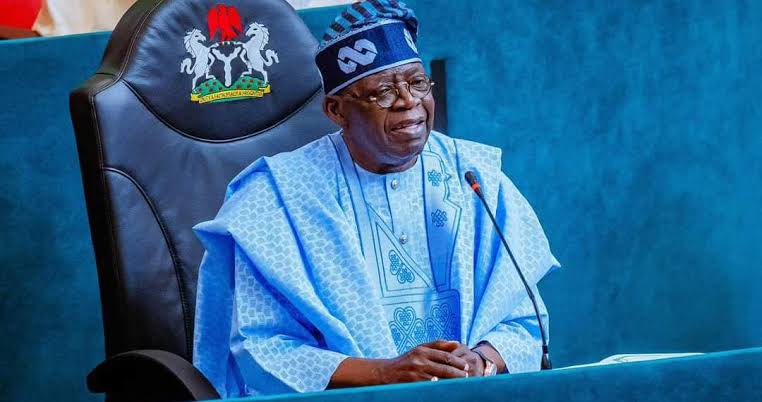
Nigeria is undergoing a significant economic transformation under President Bola Ahmed Tinubu’s administration. The government has implemented bold policies designed to restructure the economy, reduce inefficiencies, and create a foundation for sustainable growth. These reforms are inspired by practices in successful economies like the UK, USA, and China, where similar measures have yielded long-term benefits for their populations. While challenging in the short term, these reforms hold the promise of repositioning Nigeria as a thriving economic hub if executed effectively.
The Economic Reforms: Key Measures and Immediate Impacts
1. Subsidy Removal
Fuel subsidies, which cost Nigeria billions annually, have been eliminated. While this policy has led to an immediate spike in petrol prices, it is designed to redirect funds towards critical infrastructure, healthcare, and education.
- Why It Matters:
Subsidies often disproportionately benefit wealthier segments of society who consume more fuel. By eliminating them, the government can reallocate resources to more impactful areas like poverty alleviation and infrastructure development. - Global Context:
Countries like India and Indonesia have successfully removed fuel subsidies, redirecting funds into public goods such as education and healthcare. Similarly, Nigeria aims to achieve broader economic stability by reducing fiscal deficits. - Immediate Challenges:
Rising inflation and transportation costs have placed significant pressure on households. To mitigate these effects, the government must provide targeted support, such as cash transfers and investments in public transportation systems.
2. Exchange Rate Unification
The unification of Nigeria’s multiple exchange rates is another cornerstone reform. By aligning the official and parallel market rates, the government aims to enhance transparency, attract foreign investments, and stabilize the naira.
- Why It Matters:
Multiple exchange rates create arbitrage opportunities that fuel corruption and distort the market. A unified rate builds investor confidence and simplifies international trade. - Challenges:
The naira’s devaluation has increased import costs, impacting businesses and consumers. Addressing forex shortages and boosting local production are critical next steps to ensure the policy’s success.
3. Electricity Tariff and Power Sector Reforms
The power sector, historically plagued by inefficiencies and underinvestment, is being restructured. The removal of the federal monopoly allows states and private companies to invest in power generation and distribution.
- Why It Matters:
Reliable electricity is crucial for industrialization and economic growth. Increased tariffs, while unpopular, are necessary to attract investment and improve power supply. - Global Lessons:
Decentralized power sectors in countries like South Africa and Brazil have shown that private sector involvement can significantly enhance efficiency and expand access.
4. Tax Reform Bills
The administration has introduced tax reforms to broaden the revenue base, targeting previously untaxed sectors while exempting small businesses earning below N50 million annually.
- Why It Matters:
An equitable tax system ensures that all contributors pay their fair share, reducing reliance on oil revenues and fostering a more diversified economy. - Global Context:
Advanced economies like the USA and UK rely on robust tax systems to fund public services. Nigeria’s reforms aim to replicate this model while fostering economic inclusivity.
Why These Reforms Are Necessary
1. Breaking Free from Oil Dependency
Nigeria’s economy has long relied on oil revenues, making it vulnerable to price fluctuations. The reforms aim to diversify the economy by promoting agriculture, manufacturing, and the digital economy.
- Global Example:
China transitioned from an agrarian economy to a global manufacturing hub through similar reforms, reducing reliance on a single sector.
2. Addressing Structural Deficiencies
Corruption, weak institutions, and infrastructural deficits have hindered Nigeria’s progress. These reforms aim to tackle these systemic issues by promoting transparency, enhancing regulatory efficiency, and encouraging private sector participation.
3. Enhancing Competitiveness
The government’s agenda includes improving infrastructure, easing business processes, and creating an environment conducive to innovation. These measures are expected to boost Nigeria’s standing in global competitiveness indices.
Challenges and Opportunities
Short-Term Sacrifices
The immediate effects of these reforms—rising inflation, higher living costs, and public discontent—are significant. However, they are necessary to lay the groundwork for long-term economic stability and growth.
Corruption and Governance Issues
Implementing these reforms in a corruption-prone environment is a daunting task. Strengthening institutions and ensuring accountability are critical to their success.
Public Communication and Buy-In
Effective communication of the reforms’ benefits is essential to gain public trust and mitigate resistance. Transparency in fund allocation and visible progress in infrastructure projects can help build credibility.
Comparing Nigeria’s Reforms to Global Success Stories
China: Economic Liberalization
Deng Xiaoping’s reforms transformed China into a global economic powerhouse by liberalizing trade, encouraging foreign investment, and promoting manufacturing. Similarly, Nigeria’s focus on diversification and private sector growth mirrors this strategy.
USA and UK: Market Reforms
Both countries have implemented policies to reduce subsidies, streamline regulations, and foster entrepreneurship. Nigeria’s reforms align with these practices, aiming to create a stable macroeconomic environment conducive to growth.
Ensuring Long-Term Success
- Strengthening Institutions: Transparent governance and robust institutions are essential to prevent corruption and ensure that the benefits of reforms reach the intended recipients.
- Investing in Human Capital: Education, healthcare, and skill development are critical for equipping Nigeria’s large youth population to contribute to economic growth.
- Supporting SMEs: Small and medium-sized enterprises are the backbone of many successful economies. Nigeria’s tax exemptions for SMEs are a step in the right direction, but additional support in financing and capacity-building is needed.
- Encouraging Public-Private Partnerships: Collaboration between the government and private sector can accelerate infrastructure development, create jobs, and stimulate economic activity.
Conclusion
The reforms introduced by President Bola Ahmed Tinubu’s administration represent a bold and necessary shift for Nigeria’s economy. Inspired by proven strategies from successful economies, these policies aim to address structural weaknesses, diversify the economy, and create a foundation for sustainable growth. While the journey will undoubtedly be challenging, with strong governance, public support, and international partnerships, Nigeria has the potential to emerge as a competitive and prosperous nation on the global stage.
By addressing short-term challenges and focusing on long-term benefits, the government can build a brighter future for all Nigerians. As history shows, bold reforms, executed with commitment and transparency, can transform nations.