In Nigeria’s booming economy, small and medium enterprises (SMEs) are the backbone of growth – accounting for over 48% of GDP and 96% of all businesses. Whether you run a retail shop in Lagos, a tech-driven e-commerce store in Abuja, or a food manufacturing unit in Kano, managing your stock wisely is critical. In 2026, efficient inventory management is more important than ever to stay competitive. With e-commerce projected to skyrocket and customers demanding faster fulfillment, Nigerian businesses must track what they have, where it’s stored, and when to restock. Using modern tools like cloud-based ERP systems (for example, Stocker.ng – Nigeria’s top inventory and business management platform) can give small businesses a powerful edge.
Good inventory management means having the right products in the right quantity at the right time. It ensures you never run out of hot-selling items (avoiding lost sales) and never tie up cash in slow-moving goods. As one study notes, “Inventory is the livewire of any business dealing with physical products – not keeping the right inventory to meet sudden demand can reduce profit margins, cause waste, and even encourage theft”. Conversely, effective inventory management helps organize, store, and replenish stock so businesses maintain optimal levels while minimizing costs. In short, inventory is a critical asset: poor control can strain cash flow and harm profits, while good control boosts efficiency and customer satisfaction.
What Is Inventory Management and Why It Matters
Inventory management is the system of tracking and controlling your stock – from raw materials and work-in-progress to finished goods on store shelves. It encompasses record-keeping (knowing how much you have), stock control (ordering and storing wisely), and analysis (understanding sales trends). For example, a retail shop’s inventory includes everything from fabric rolls (raw materials) to shirts on display (finished goods). A manufacturing business may track parts, semi-finished items, and completed products. Even your cleaning supplies (MRO – maintenance, repair, operations) count as inventory that needs management.
Why does it matter? Accurate inventory control ensures you can meet customer demand without delay. Studies show that inventory management “helps businesses provide the right amount of inventory on hand at all times”. This means balancing supply and demand efficiently: too much stock ties up capital and warehouse space, while too little stock risks turning customers away. In Nigeria’s dynamic market, where consumer preferences can shift rapidly, this balance is vital.
Moreover, inventory costs usually form a large part of a company’s current assets. Failing to manage it well can erode profits. One Nigerian study found that “not keeping the right inventory to meet a sudden increase in customer demand can result in reduction in profit margin, wastage of materials, and pilferage”. In contrast, research also confirms that effective inventory control enhances a company’s long-term survival – “growth and long-term survival depend on its capacity to manage its inventory effectively”, because poor management leads to lost revenue and customers. In other words, careful stock management is not just a back-office chore; it’s essential for profitability and customer satisfaction.
Common Challenges for Nigerian Small Businesses

Despite its importance, many Nigerian SMEs struggle with inventory. Common hurdles include:
- Inaccurate Demand Forecasting: Predicting customer demand is hard, especially with seasonal swings and unpredictable trends. Without good forecasts, businesses may over-order (tying up cash in excess stock) or under-order (leading to stockouts). Experts note that “inaccurate demand forecasting” often leads to either overstocking or understocking, tying up resources or missing sales. Nigeria’s fast-changing market and sometimes limited data make this even tougher for small business owners.
- Lack of Real-Time Visibility: Many businesses still use manual records, spreadsheets, or disconnected systems. This can mean decisions are made on outdated data. If stock levels aren’t tracked live, one store might think it has items available when they’re already sold in another location. As consultants warn, lacking real-time data and using “disparate systems” causes inefficiencies and discrepancies.
- Cash Flow Constraints: Holding inventory costs money (storage, insurance, spoilage) and locks up cash that could be used elsewhere. Nigerian SMEs often report capital shortages as a key issue. In fact, one survey found obtaining finance and infrastructure were top challenges for Nigerian businesses. Excess inventory can exacerbate cash flow pressure, while stockouts can push customers to competitors.
- Poor Record-Keeping: Manual counting and paperwork are error-prone. As one local business analyst notes, “poor record keeping and a malfunctioning inventory management system… can lead to complications for the SME. Accurate monitoring of stock poses a challenge”. Errors or theft can go unnoticed without regular checks. Moreover, poor inventory control can stress cash flow and limit a company’s ability to grow.
- Supply Chain and Logistics Issues: Nigeria’s infrastructure and supply chain can be unpredictable. Import delays, shipping bottlenecks, and erratic supplier timelines make it hard to restock smoothly. As one academic paper summarizes, inventory management is a “major challenge” for Nigerian SMEs due to the country’s logistical environment.
All these issues mean many small businesses either run out of stock unexpectedly or end up with too much inventory that they must heavily discount or discard. The result is wasted money and missed opportunities.
Setting Up an Efficient Inventory System

Getting inventory under control takes planning and the right processes. Here’s a step-by-step guide for Nigerian retail, wholesale, manufacturing, and e-commerce businesses:
- Forecast Demand: Begin by predicting future sales as best you can. Analyze historical sales data, market trends, and seasonality. For example, if a fashion store sees spikes during festive seasons, plan higher stock for those months. Use simple methods (like averaging past months, or basic trend analysis) or advanced analytics if available. Good forecasting “involves analyzing historical sales data and market trends to predict future demand accurately”. Accurate forecasts help prevent both overstocking and stockouts, saving money and keeping customers happy.
- Plan Reorder Points and Safety Stock: Based on your forecast, decide the reorder point (the inventory level at which you should reorder) and safety stock (extra inventory buffer). For instance, if it takes two weeks to restock an item and you sell 10 units per week, you might reorder when you have 30 units left (accounting for demand during lead time plus a buffer). These calculations ensure you order just in time – not too early, not too late. Methods like Economic Order Quantity (EOQ) and ABC Analysis can help prioritize which items to stock more frequently.
- Efficient Procurement: Work with reliable suppliers and negotiate good terms. When placing orders, batch purchases for lower unit costs but balance that against higher holding costs. Choose suppliers you trust on quality and delivery times. Efficient procurement “ensures that inventory is acquired at the best possible price and meets quality standards”. For example, a wholesaler might consolidate orders monthly to get bulk discounts but avoid tying up too much capital.
- Organize and Label Your Stock: When inventory arrives, put it away neatly. Categorize items by type or sales velocity. Use racks, shelves, or bins with clear labels (consider using barcodes or RFID tags). Organized storage speeds up picking and counting. For example, [46] illustrates how neatly stacked crates in a warehouse reflect an organized approach. Image: Organized inventory crates in a warehouse.
- Monitor Inventory Levels Continuously: Keep a live count of stock. Every sale or usage should reduce inventory in your system; every new arrival should increase it. This can be manual (using logs or spreadsheets) but preferably done with software. Regular stock monitoring will quickly flag discrepancies. As Lumibusiness advises, continuous monitoring “helps businesses keep track of stock movements and ensure that inventory records are accurate”. For example, if a store clerk sells 5 shirts, record that sale immediately in your system.
- Set Up Replenishment Processes: Automate reordering when stock hits certain thresholds. For example, an inventory system might automatically alert you or generate a purchase order when a product falls to its reorder point. This replenishment process “determines when and how much stock to reorder to ensure sufficient inventory without overstocking”. This is where an affordable ERP like Stocker.ng shines: it can generate low-stock alerts so you never run out of key products.
- Perform Regular Stock Audits: Even with good processes, discrepancies happen (due to theft, damage, or counting errors). Periodically do a full physical count and compare it to your records. This audit ensures your books match reality. For example, at the end of each month an e-commerce seller might count fast-moving items to catch any shrinkage early. Any gaps can then be investigated and corrected.
- Track Key Performance Indicators (KPIs): Measure how well you manage inventory. Useful KPIs include inventory turnover ratio (how quickly you sell and replace stock) and stockout rate (how often products are unavailable). Higher turnover and low stockouts signal good management. Using data from your inventory system, you can spot slow-moving items (which might be discounted) or identify seasonal spikes. As [36] notes, applying these principles helps SMEs “enhance their operational efficiency, reduce costs, and ultimately increase profitability”.
By following these steps – from smart forecasting to regular audits – Nigerian small businesses can keep their inventory lean and responsive.
Embracing Technology: Cloud ERP and Inventory Software

In 2026, technology can greatly simplify inventory management. Gone are the days when only big companies could afford such tools. Now, cloud-based ERP (Enterprise Resource Planning) systems make advanced inventory control accessible to even the smallest shops.
Why Cloud and ERP? Cloud software runs on the internet, so you don’t need expensive servers or in-house IT. As experts point out, cloud ERP often costs much less to implement for small businesses than traditional on-premise systems. With pay-as-you-go pricing, you save on hardware and maintenance. You also gain anytime, anywhere access: you or your managers can check stock levels from a smartphone in the market or from home.
For example, Stocker.ng is a cloud-based ERP built for Nigerian businesses. It gives retail shops, wholesalers, and even hospitals all the tools they need in one place. It runs on any internet-enabled device, so you and your team can access inventory data on the go and manage your business remotely.
Other tech tools that can help include barcode scanners (to speed up counting and checkout), mobile apps (for instant sales and stock updates), and basic accounting software (to link stock with finances). Even social media and messaging tools can tie into modern POS systems for order notifications and updates.
Benefits of Using an ERP like Stocker.ng
Using a comprehensive ERP (like Stocker.ng) brings all your operations together. Here are the key features and benefits:
- Inventory Management Module: Track every item in real time across all your locations. Stocker.ng lets you organize products with barcodes and categories, and set up low-stock alerts so you’re reminded to reorder. It automatically syncs inventory when a sale is made or goods arrive. Detailed reports show which products sell fast and which sit on shelves. For example, you can generate a report at month-end to see exactly how much of each item moved and what your current stock is. This helps prevent both stockouts and wasted excess inventory.
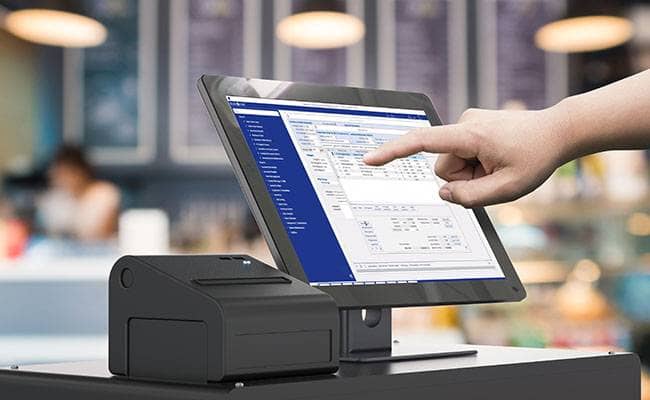
- Advanced Point of Sale (POS): The POS is where you ring up sales. Stocker.ng’s POS is designed for Nigerian retailers: it’s fast and user-friendly, supporting various local payment methods (cash, POS machines, mobile payments). When you sell something in-store or online, the POS immediately deducts that quantity from inventory. It also handles returns and exchanges, updating stock automatically. Using an integrated POS means your sales data and stock data always match, reducing errors.
- Customer Relationship Management (CRM): Grow your customer base with tools to record interactions, preferences, and sales history. Stocker.ng’s CRM module helps you track leads and automate marketing (like sending SMS promotions) to keep customers returning. For example, after each sale, the system can store the customer’s contact info and purchase. Over time, you can analyze which products each customer likes and send them targeted offers. Good customer tracking improves loyalty – critical in Nigeria’s competitive retail market.
- Human Resource Management (HRM): Manage your staff easily. The HRM module lets you store employee data, manage shifts, track attendance, and even handle payroll and leave. For a small Nigerian business, this means less paperwork and easier compliance. For example, when a staff member clocks in via a tablet, it can automatically record attendance. Payroll formulas (including local tax rules) can be built in, saving time.
- Manufacturing Module: If you produce goods, this module is a boon. Define bills of materials (BOMs) so the system knows which raw materials make each finished product. Track your work-in-progress (WIP) through every production stage. The system can then calculate manufacturing costs and adjust inventory: raw materials are deducted and finished goods added once production is complete. This gives you clarity on production efficiency and helps control costs. For example, a soap maker can use Stocker.ng to ensure the right amount of oils and fragrances are allocated to each batch.
- Asset Management: Track your fixed assets (computers, vehicles, equipment). Though not often highlighted, this module prevents loss and helps with depreciation tracking for financial records. For instance, a retail chain could tag their freezers and furniture, scheduling maintenance reminders so assets last longer.
- Hospital Management System (HMS): If you run a clinic or hospital, Stocker.ng even offers an HMS. This specialized module handles patient records, appointments, pharmacy stock, billing, and more. A small Lagos clinic could manage patient check-ins, doctors’ schedules, and medicine inventory all within one platform.
- Multi-Store Support: If you have branches, you can manage them centrally. Stocker.ng syncs inventory across locations in real time. A clothing boutique with outlets in Abuja and Lagos can transfer items between stores and still know the updated stock everywhere. Centralized control means one manager can oversee all shops via the cloud.
- Affordable Pricing: Importantly, Stocker.ng is built for the Nigerian market. It uses a cloud model so there’s no heavy upfront cost. As Sage Nigeria points out, cloud ERP solutions are typically cheaper for small businesses. Stocker.ng offers competitive, transparent pricing (often monthly or yearly plans) tailored to SMEs. Compared to international ERP packages, it is much more affordable and requires no local server setup. In fact, parent company StoreHarmony highlights that their solutions ensure scalability and affordability for African SMEs. This means even a modest shop can access enterprise-grade tools without breaking the bank.
- Detailed Reporting and Analytics: All data is in one place, so generating reports is easy. Stocker.ng provides dashboards and reports on sales performance, inventory turnover, cash flow, and more. Such visibility lets you make informed decisions. For example, if a particular product isn’t selling well in the north, you might discount it or stop reordering. Seeing stock levels and sales trends clearly helps you reduce waste and focus on profitable items.
In short, Stocker.ng (and ERPs like it) turn messy manual processes into smooth workflows. Instead of juggling paper ledgers or spreadsheets, you manage everything from stock orders to customer invoices in a few clicks. This frees up time and reduces errors, so you can focus on growing your business.
Practical Examples (Case Studies)
To see how this works in real life, consider these scenarios:
- A Lagos Fashion Retailer: Femi owns a boutique in Lagos Island. He used to track stock by hand, which often led to overselling popular dresses or forgetting old stock. After implementing Stocker.ng, every sale at his POS immediately updates inventory. When stock hits a set threshold, Stocker.ng alerts him to reorder. This way, Femi never runs out of his bestselling Ankara dresses. He also uses the CRM to save customer emails, sending new arrival alerts and growing repeat sales. Since using Stocker.ng, Femi reports a 20% cut in stock shortages and happier customers.
- A Kano Wholesale Distributor: Aisha runs a household goods wholesale business in Kano. She supplies markets across northern Nigeria. With Stocker.ng, she set up multiple warehouses in Abuja and Kaduna within the system. Now, she can see in real time how much inventory is in each warehouse and which items are moving fastest. Barcode scanners at each dock speed up her receiving process. Low-stock alerts have prevented costly stockouts during peak Ramadan sales. Overall, Aisha says her cash flow is better since she only orders what she needs, and lost sales due to empty shelves are a thing of the past.
- A Ugwuodo Manufacturing Co.: Ugwuodo makes soap and detergent in Enugu. His manufacturing module on Stocker.ng tracks raw materials (oils, fragrances) and production. Before, he sometimes ran out of key chemicals mid-production. Now, the system calculates how much raw material is required for each batch and warns him to reorder when supplies run low. Finished soaps are automatically added to inventory when they are packed. The result: more efficient production and no surprises, leading to cost savings and steady supply to retailers.
- E-commerce Entrepreneur: Chinasa sells gadgets online from her home in Port Harcourt. She needed a way to sync her online store (WhatsApp and a website) with physical stock. Using Stocker.ng’s POS and inventory modules, every online order automatically deducts from stock. She also tracks sales from social media via the CRM. This integration means she no longer double-sells items, and she can even offer cash-on-delivery or online payments seamlessly at checkout. Chinasa credits Stocker.ng with helping her sales grow 30% by avoiding stock mix-ups.
- Clinic Using HMS: St. Mary’s Clinic in Ibadan adopted Stocker.ng’s Hospital Management System. Nurses now use it to schedule patient appointments and track medical inventories (like syringes, medicines, gloves). The pharmacy section integrates with inventory, so medicine sales reduce stock in real time. The clinic owner appreciates that Stocker.ng is affordable enough for a small health center, yet powerful enough to handle patient billing, pharmacy orders, and medical records all in one place.
These examples show how diverse Nigerian businesses – retailers, wholesalers, manufacturers, e-tailers, and even healthcare providers – can leverage a single platform to get organized. In each case, Stocker.ng’s modules handled the core needs: inventory tracking, sales recording, customer management, and analytics. The payoff was smoother operations, lower costs, and business growth.
Key Takeaways
- Inventory management is crucial in 2026: It balances supply and demand, influences cash flow, and protects profits. For Nigerian SMEs, getting it right can be the difference between success and failure.
- Common pitfalls exist: Challenges like poor forecasting, manual records, and cash constraints are real, but solvable with the right processes.
- Follow best practices: Forecast demand using sales data, organize and monitor stock meticulously, set reorder points, and audit regularly. These steps form the backbone of an efficient inventory system.
- Leverage technology: Cloud ERP systems make professional inventory control affordable and easy. As one expert notes, cloud ERP is typically cheaper for SMEs and boosts efficiency. Stocker.ng, for example, bundles inventory, sales, CRM, HR, manufacturing, and even hospital management in one platform.
- Stocker.ng stands out: It’s designed for Nigerian businesses – covering inventory management to POS to customer management – at a fraction of the cost of big foreign ERP suites. It provides multi-store sync, barcode support, low-stock alerts, advanced reports, and local payment integration.
Inventory management doesn’t have to be a headache. With clear steps and the right tool (like Stocker.ng), even small businesses can keep perfect stock records, prevent waste, and seize every sales opportunity.
Ready to take control of your stock? Don’t wait until the next stockout or surplus forces a loss. Give Stocker.ng a try today. Its affordable cloud ERP makes it easy to start – you can sign up and begin streamlining your inventory and sales in minutes. Join thousands of other Nigerian SMEs who have unlocked growth by running their operations smarter.
Topics: inventory management Nigeria, stock management Nigeria, inventory system Nigeria, cloud ERP Nigeria, small business inventory control, Stocker.ng ERP, affordable ERP Nigeria, retail inventory software, POS Nigeria, supply chain management Nigeria.