2025 federal housing loan scheme – Nigeria’s housing deficit affects millions, but the 2025 Federal Housing Loan Scheme offers new hope. Whether you’re a civil servant, a low-income earner, self-employed, or living abroad, this guide breaks down how to qualify, apply, and benefit from the latest government-backed housing loan programs.
Related: How to Join the Jumia KOL Program

What Is the 2025 Federal Housing Loan Scheme?
The 2025 scheme is a combination of upgraded and new housing loan products rolled out by the Federal Mortgage Bank of Nigeria (FMBN) and other institutions. It targets Nigerians seeking affordable homes with low-interest financing and long repayment periods.
See Also: Complete Guide to Real Estate Agents: Types, Responsibilities, Skills, & Career Path in 2025
Key Features:
- Loans up to ₦50 million
- Interest rates as low as 6%
- Tenure of up to 30 years
- New options for diaspora Nigerians and renters
- Backed by the federal government under the Renewed Hope Agenda
Who Can Apply?
You’re eligible if you:
- Are a Nigerian citizen (home or abroad)
- Are employed (public or private sector) or self-employed
- Are contributing to the National Housing Fund (NHF) – 2.5% of your basic monthly salary
- Have made contributions for at least 6 months
- Own land with valid title documents (for mortgage loans)
- Have not previously accessed an NHF loan

The Major Housing Loan Options in 2025
1. National Housing Fund (NHF) Mortgage Loan
- Max Loan: ₦50 million
- Interest Rate: 6% fixed
- Repayment Period: Up to 30 years
- Requirement: Must own land; apply through an accredited mortgage bank
2. Diaspora Mortgage Loan
- Target: Nigerians living abroad
- Loan Cap: ₦50 million
- Interest: ~9%
- How to Apply: Contribute for 12 months via approved channels, apply through authorized diaspora mortgage partners
3. Non-Interest Mortgage Loan
- For: Those seeking Sharia-compliant or ethical lending
- Model: Murabaha (no riba/interest), repayments over 30 years
- Launch: Ongoing rollout in 2025
4. Rent Assistance Loan
- Use: Pay your rent upfront; repay monthly like a salary deduction
- Ideal For: Urban dwellers and young professionals
- Rollout: Begins late Q1 2025
5. Federal Staff Housing Loan
- For: Federal civil servants
- Interest Rate: ~3%
- Repayment: 5–25 years, salary-deductible
- Apply Through: Federal Government Staff Housing Loans Board (FGSHLB)

Also Read: How to Develop a Real Estate Investment Platform (App) in Nigeria in 2025
Step-by-Step: How to Apply for Nigeria’s 2025 Federal Housing Loan Scheme
| Step | Action |
|---|---|
| 1 | Register with FMBN or via *219# USSD platform |
| 2 | Begin contributing 2.5% of your salary to the NHF |
| 3 | Secure valid land/title documents if applying for mortgage |
| 4 | Choose your loan type: NHF, Diaspora, Rent, Non-Interest |
| 5 | Apply via an approved Primary Mortgage Bank (PMB) or partner |
| 6 | Submit documents (ID, pay slips, land documents, contribution record) |
| 7 | Wait for processing (30–90 days average); track via digital portal |
| 8 | Upon approval, start repayment as per terms |
Real Impact in 2025 So Far
- Over ₦71.5 billion in housing loans approved in 2024
- ₦11.5 billion allocated in 2025 budget to deliver 20,000 housing units
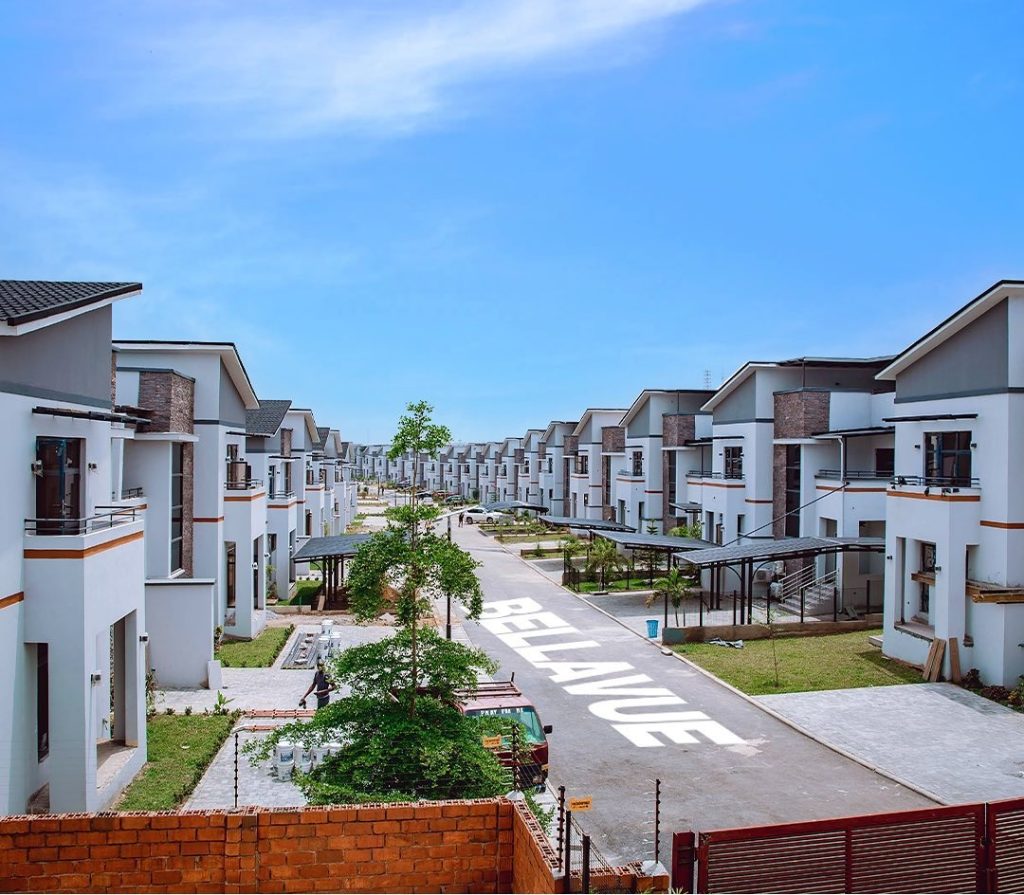
- More than 13,600 units under development under Renewed Hope Cities
- ₦70+ billion mobilized from private developers via PPP arrangements
Common Challenges to Watch For
- Title verification delays
- Lengthy application processing
- Bureaucracy at some mortgage banks
- Lack of awareness among informal workers
Tip: Use digital platforms where available and follow up regularly with your mortgage provider.
Final Thoughts: Why You Should Apply Now
With interest rates from as low as 6%, ₦50 million loan ceilings, and newer products for renters and diaspora Nigerians, this is arguably the most accessible housing finance opportunity in Nigeria’s history.
Whether you’re building your first home, buying an estate unit, or just tired of paying annual rent in bulk, the 2025 Federal Housing Loan Scheme is your shot at real homeownership.
For maximum benefit: register early, contribute regularly, prepare documentation, and apply through official channels. While systemic issues remain, the renewed momentum and policy focus make now one of the most promising periods to access housing finance in Nigeria.